
How Life Skills Training Helps Children With Autism Build Independence and Confidence
Introduction
For many children with autism, everyday activities such as dressing, following routines, or managing emotions can feel overwhelming. As a result, independence often develops slowly. However, with structured guidance, these challenges can be addressed effectively. At the Best ADHD and Autism Center in Pune, life skills training focuses on teaching practical abilities that help children function more independently at home, in school, and in the community.
What Is Life Skills Training?
Life skills training is a structured therapy approach that focuses on daily living abilities rather than academics alone. In simple terms, it helps children learn how to take care of themselves, follow routines, and manage basic responsibilities. Moreover, this training is tailored to the child’s developmental level, making learning comfortable and achievable.
Why Life Skills Are Often Challenging for Children With Autism
Children with autism may struggle with sensory sensitivities, communication difficulties, or understanding sequences of tasks. Because of this, daily activities can feel confusing or stressful. Without proper support, these difficulties can reduce confidence over time. Therefore, life skills training provides step-by-step guidance that allows children to learn at their own pace.
Key Areas Covered in Life Skills Training
1. Self-Care and Daily Routines
Firstly, children learn essential self-care skills such as brushing teeth, dressing, and managing personal hygiene. For example, visual schedules and predictable routines make learning easier and reduce anxiety.
2. Communication and Social Independence
Secondly, children are guided to express needs, make choices, and ask for help appropriately. As a result, confidence in everyday interactions improves.
3. Organization and Responsibility
Additionally, life skills training teaches children how to manage belongings, follow instructions, and complete simple responsibilities. Over time, this supports independence and strengthens planning skills. When combined with executive function training, children show better organization and task completion.
4. Emotional Awareness and Self-Control
Meanwhile, children learn to recognize emotions and use calming strategies. Consequently, emotional outbursts reduce and self-regulation improves.
5. Community and Safety Skills
Finally, children are introduced to basic safety rules and appropriate public behavior. Most importantly, these skills support real-world independence.
How Life Skills Training Is Delivered
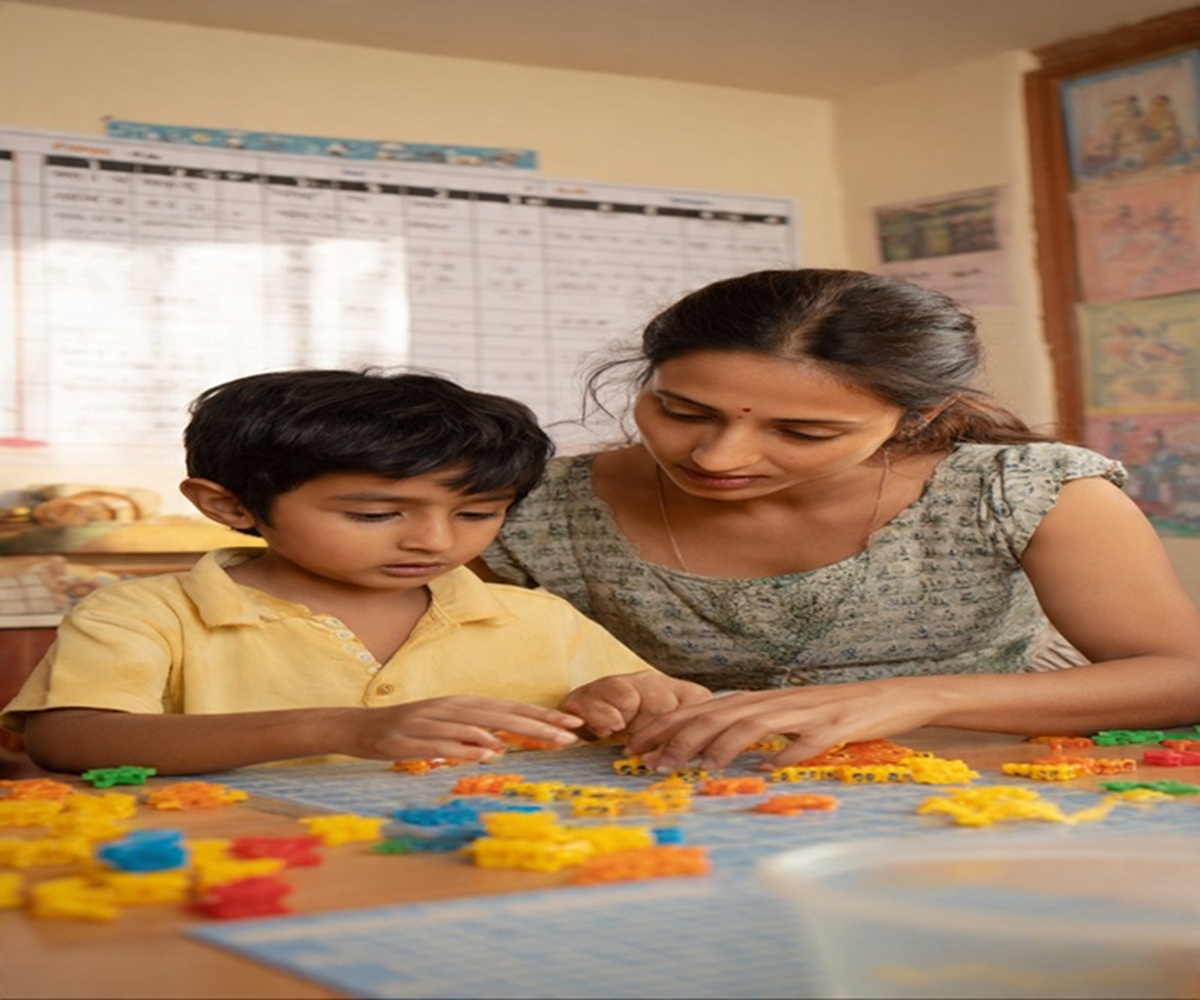
Therapists use real-life practice, role-play, visual aids, and repetition in a supportive environment. At the same time, parents are guided so learning continues at home. Because of this consistency, children retain skills faster and apply them more confidently in daily life.
Why Life Skills Training Matters Long-Term
Academic knowledge alone does not ensure independence. In contrast, life skills prepare children to manage responsibilities, adapt to change, and build confidence. Therefore, early life skills training plays a critical role in long-term development and quality of life.
Final Thoughts
In conclusion, life skills training is essential for helping children with autism build independence and confidence. The Best ADHD and Autism Center in Pune offers structured, personalized life skills programs that focus on daily routines, emotional balance, and real-world abilities—helping children move toward a more independent and fulfilling future.