
Understanding Emotional Regulation in Children with Autism and ADHD
Introduction
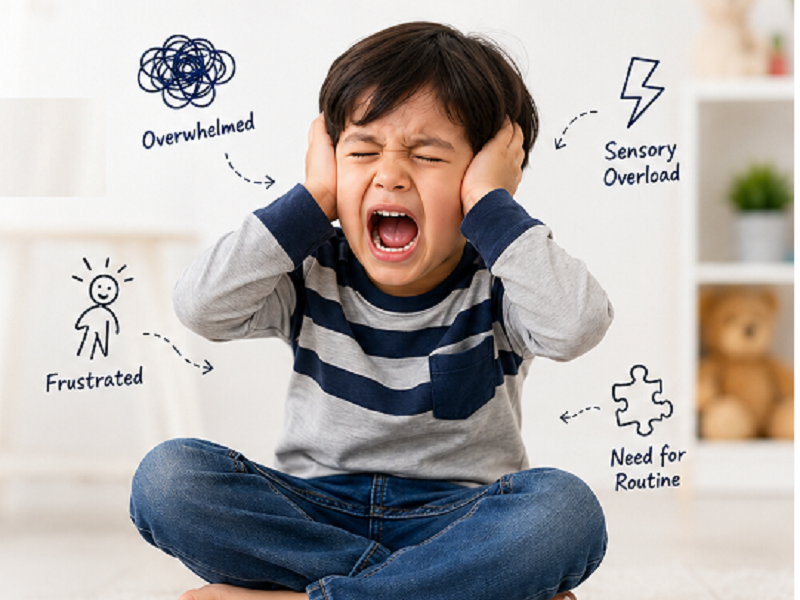
Temper tantrums are a common part of childhood, but when they occur frequently, intensely, or seem difficult to manage, parents may wonder if there is a deeper reason behind the behavior. Children with Autism Spectrum Disorder (ASD) and Attention-Deficit/Hyperactivity Disorder (ADHD) often experience challenges with emotional regulation, making them more prone to emotional outbursts and temper tantrums.
Understanding why these behaviors occur can help parents respond effectively and support their child’s emotional development.
What Are Temper Tantrums?
A temper tantrum is an emotional outburst that may involve crying, screaming, kicking, hitting, throwing objects, or refusing to cooperate. Tantrums typically occur when a child feels overwhelmed, frustrated, tired, or unable to communicate their needs effectively.
While occasional tantrums are normal during early childhood, persistent or severe tantrums may indicate difficulties with emotional regulation.
Emotional Regulation: What Does It Mean?
Emotional regulation refers to a person’s ability to recognize, manage, and respond appropriately to emotions. It involves controlling impulses, coping with frustration, and adapting to challenging situations.
For children with Autism and ADHD, emotional regulation can be particularly difficult due to differences in brain development, sensory processing, communication skills, and executive functioning.
Why Do Children with Autism Experience Temper Tantrums?
Children with Autism often struggle to express their feelings and needs. Several factors may contribute to tantrums:
1. Communication Difficulties
Many children with Autism have difficulty expressing what they want, need, or feel. When they cannot communicate effectively, frustration can quickly build up and result in a tantrum.
2. Sensory Overload
Bright lights, loud noises, crowded environments, or unexpected sensory experiences can overwhelm a child with Autism. A tantrum may be their way of expressing discomfort or escaping an overwhelming situation.
3. Changes in Routine
Children with Autism often rely on predictable routines. Unexpected changes can create anxiety and emotional distress, leading to behavioral outbursts.
4. Difficulty Understanding Emotions
Some children with Autism struggle to identify and express emotions appropriately, making it harder for them to cope with frustration, disappointment, or anxiety.
Why Do Children with ADHD Experience Temper Tantrums?
Children with ADHD may also experience frequent emotional outbursts due to challenges in self-control and emotional management.
1. Impulsivity
ADHD affects impulse control, making it difficult for children to pause and think before reacting emotionally.
2. Low Frustration Tolerance
Children with ADHD often become frustrated more quickly than their peers. Minor setbacks may feel overwhelming and trigger a strong emotional response.
3. Difficulty Managing Emotions
Research shows that emotional dysregulation is common in ADHD. Children may experience intense emotions and struggle to calm themselves once upset.
4. Executive Function Challenges
Executive functioning skills help children plan, organize, and control behavior. Weaknesses in these areas can make emotional management more difficult.
Temper Tantrum vs. Meltdown: Understanding the Difference
It is important to recognize the difference between a tantrum and a meltdown.
- Temper Tantrum: Often occurs when a child wants something, is frustrated, or seeks attention. The behavior may stop when the child’s needs are met.
- Meltdown: Typically occurs when a child becomes overwhelmed by sensory input, emotions, or stress. Meltdowns are not intentional and cannot simply be stopped through rewards or consequences.
Understanding this distinction helps parents choose the most appropriate response.
Strategies to Help Children Manage Emotions
Create Predictable Routines
Consistent daily schedules can reduce anxiety and help children feel more secure.
Teach Emotional Awareness
Use visual aids, emotion charts, and simple language to help children identify and express their feelings.
Practice Calm-Down Techniques
Deep breathing exercises, sensory tools, movement breaks, and quiet spaces can help children regulate emotions.
Improve Communication Skills
Speech therapy, visual supports, and alternative communication methods can reduce frustration and improve self-expression.
Identify Triggers
Keep track of situations that commonly lead to tantrums. Understanding triggers can help parents prevent emotional overload before it occurs.
Reinforce Positive Behaviors
Praise and reward appropriate emotional responses to encourage healthy coping skills.
When Should Parents Seek Professional Help?
If tantrums are frequent, intense, interfere with daily activities, or continue beyond expected developmental stages, professional assessment may be beneficial. Early intervention can help identify underlying challenges and provide targeted support for emotional regulation, communication, and behavior management.
How Neuro Revolution International Can Help
At Neuro Revolution International, we understand that every child experiences emotions differently. Our team specializes in evidence-based therapies and individualized intervention programs designed to support children with Autism, ADHD, and developmental challenges. Through comprehensive assessments, behavioral therapy, occupational therapy, speech therapy, and parent guidance programs, we help children develop stronger emotional regulation skills, improve communication, and build confidence in everyday life. If your child frequently experiences temper tantrums or emotional outbursts, our experts are here to provide compassionate support and personalized care to help your child thrive.
