
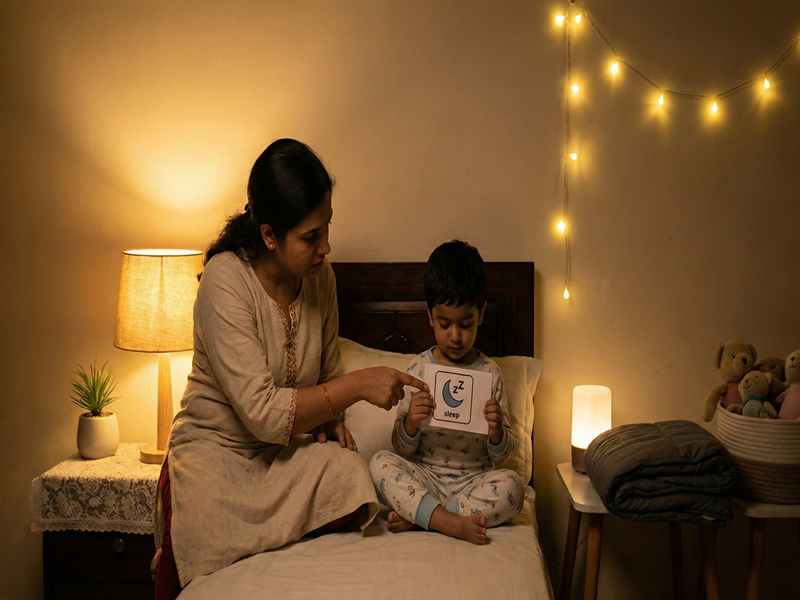
How Sleep Routine Improves Rest and Behavior in Children With ADHD and Autism
Introduction
Sleep difficulties are extremely common in children with ADHD and autism. Bedtime resistance, frequent night waking, and irregular sleep cycles often affect mood, attention, and daytime behavior. As a result, children may appear irritable, distracted, or emotionally overwhelmed. At the Best ADHD and Autism Center in Pune, sleep routine therapy helps children develop predictable, calming bedtime habits that support better rest and healthier daily functioning.
Why Sleep Problems Are Common in ADHD and Autism
Children with neurodevelopmental differences often struggle with sensory sensitivity, anxiety, and difficulty switching off their minds. Because of this, falling asleep or staying asleep becomes challenging.
Common sleep-related issues include:
- Difficulty winding down at night
- Resistance to bedtime routines
- Night waking or early waking
- Daytime fatigue and irritability
- Increased hyperactivity due to poor sleep
Without intervention, poor sleep can worsen attention, learning, and emotional regulation.
What Is Sleep Routine ?
Sleep routine therapy is a structured, child-friendly approach that teaches children how to transition calmly from active daytime routines to restful sleep. Rather than forcing sleep, therapy focuses on building predictable habits, reducing stimulation, and creating a sense of safety around bedtime.
This therapy works especially well when paired with emotional regulation , as calmer emotions directly support better sleep patterns.
Key Benefits of Sleep Routine
1. Establishes Predictable Bedtime Habits
Firstly, children learn consistent pre-sleep routines such as calming activities, reduced stimulation, and fixed sleep timings. As a result, bedtime becomes less stressful.
2. Improves Sleep Quality and Duration
Secondly, structured routines help children fall asleep faster and stay asleep longer. Therefore, overall rest improves.
3. Reduces Daytime Irritability and Hyperactivity
Additionally, better sleep leads to improved mood, attention, and emotional balance during the day.
4. Supports Better Learning and Focus
Meanwhile, adequate sleep strengthens memory, attention span, and learning readiness.
5. Improves Family Well-Being
Most importantly, consistent sleep routines reduce stress for both children and parents.
Techniques Used in Sleep Routine
Therapists use gentle, evidence-based strategies such as:
- Visual bedtime schedules
- Calming sensory activities before sleep
- Consistent sleep–wake timings
- Relaxation and breathing exercises
- Parent guidance for nighttime consistency
Because of this structured approach, children feel secure rather than pressured at bedtime.
How Sleep Routine Is Delivered
Therapy begins with understanding the child’s sleep patterns, sensory triggers, and bedtime challenges. At the same time, parents are guided to create a calm, screen-free sleep environment at home. As a result, improvements are gradual, sustainable, and stress-free.
Why Early Sleep Support Matters
Poor sleep affects attention, behavior, emotional regulation, and overall development. In contrast, early sleep routine therapy builds a strong foundation for learning, emotional stability, and healthy growth.
Final Thoughts
In conclusion, sleep routine therapy plays a vital role in improving rest, behavior, and emotional balance in children with ADHD and autism. The Best ADHD and Autism Center in Pune offers structured sleep routine programs that help children feel calm at bedtime, sleep better through the night, and function more confidently during the day.
