
How Anxiety Management Helps Children With ADHD and Autism Feel Calm and Secure
Introduction
Anxiety is a common but often overlooked challenge in children with ADHD and autism. Loud environments, unexpected changes, academic pressure, or social situations can easily trigger fear and emotional distress. As a result, children may show avoidance, meltdowns, or withdrawal. At the Best ADHD and Autism Center in Pune, anxiety management therapy focuses on helping children feel safe, emotionally balanced, and confident in everyday situations.
Why Anxiety Is More Common in Children With ADHD and Autism
Children with neurodevelopmental differences process the world differently. Because of this, they may feel overwhelmed more quickly than others.
Common anxiety triggers include:
- Sudden changes in routine
- Sensory overload (noise, lights, crowds)
- Difficulty understanding expectations
- Fear of failure or social judgment
- Separation from caregivers
Without proper support, anxiety can interfere with learning, behavior, and emotional development.
What Is Anxiety Management ?
Anxiety management therapy is a structured, child-friendly approach that helps children understand their fears and respond calmly. Instead of suppressing emotions, therapy teaches children practical coping strategies that help them regain control during stressful moments.
This approach becomes even more effective when combined with emotional regulation, which strengthens a child’s ability to recognize and manage emotions.
Key Benefits of Anxiety Management
1. Improves Emotional Awareness
Firstly, children learn to identify feelings such as fear, worry, or nervousness. As a result, they can express emotions instead of reacting impulsively.
2. Teaches Calming Strategies
Secondly, therapy introduces breathing techniques, grounding exercises, and relaxation routines. Therefore, children feel more in control during anxious situations.
3. Reduces Meltdowns and Avoidance
Additionally, anxiety management helps children face challenges gradually. Over time, avoidance behaviors and emotional outbursts decrease.
4. Builds Confidence and Security
Meanwhile, children gain confidence as they successfully handle situations that once felt frightening.
5. Supports Better Focus and Learning
Most importantly, when anxiety reduces, attention improves—making learning and daily routines smoother.
Techniques Used in Anxiety
Therapists use gentle, age-appropriate strategies such as:
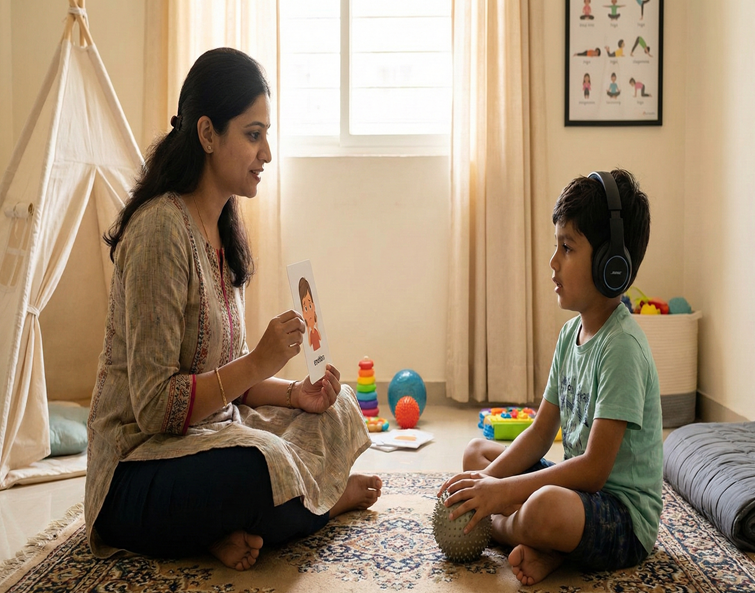
- Emotion identification charts
- Guided breathing and relaxation
- Visual routines and predictability
- Gradual exposure to anxiety triggers
- Parent coaching for home consistency
Because of this structured approach, children feel supported rather than pressured.
How Anxiety Is Delivered
Therapy sessions are personalized based on the child’s age, anxiety triggers, and comfort level. At the same time, parents are guided to reinforce calming strategies at home. As a result, children experience consistency across therapy, home, and school environments.
Why Early Anxiety Support Matters
If anxiety is left unaddressed, it can affect self-esteem, social interaction, and academic progress. In contrast, early anxiety management therapy builds emotional resilience and long-term coping skills, supporting healthier development.
Final Thoughts
In conclusion, anxiety management therapy plays a vital role in helping children with ADHD and autism feel calm, secure, and confident. The Best ADHD and Autism Center in Pune offers structured, compassionate anxiety management programs that focus on emotional safety, coping skills, and long-term well-being—helping children navigate the world with greater ease.
