
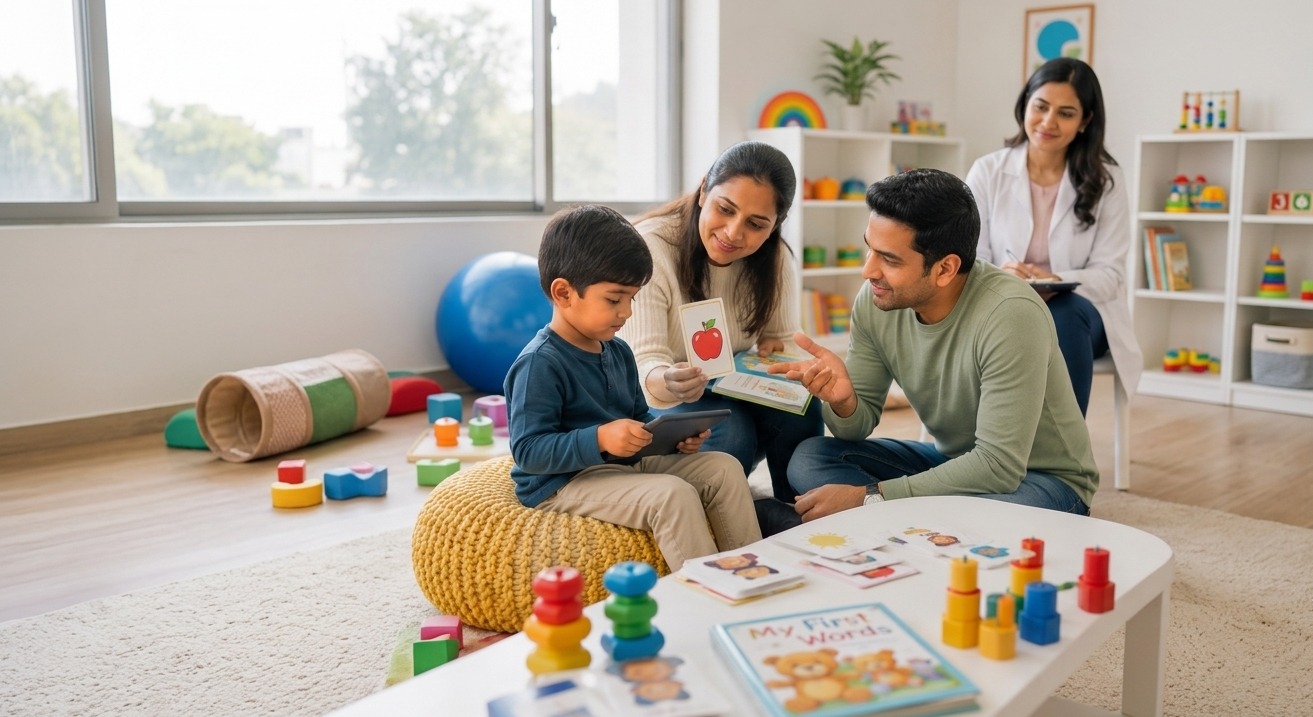
How Screen Time Affects Speech and Social Development
Screens have become a part of everyday life. From cartoons and educational apps to online learning, children spend more time in front of digital devices than ever before. While technology offers many benefits, too much screen time during the early years can affect a child’s speech, communication, and social skills. Parents often notice that their child speaks less, avoids eye contact, or prefers screens over interacting with family members.
If you are looking for guidance from the Best Adhd & autism treatment center in pune, best child psychologist in pune, understanding the impact of screen exposure is an important first step. Early awareness and timely support can help children build stronger communication and social skills while supporting healthy overall development.
How Excessive Screen Time Impacts Brain Development
A child’s brain develops rapidly during the first five years of life. During this period, children learn by listening, observing, playing, and interacting with people around them. Real-life conversations help the brain build language pathways that screens cannot replace.
When screen time replaces face-to-face communication, children may miss valuable learning opportunities such as:
Listening to different words and sounds
Understanding facial expressions
Learning body language
Taking turns during conversations
Responding to emotions
Although educational videos may introduce new vocabulary, they cannot provide meaningful two-way communication that children need for language development.
Signs That Screen Time May Be Affecting Your Child
Every child develops at their own pace. However, excessive screen exposure may contribute to communication and social challenges.
Some common signs include:
- Delayed speech or limited vocabulary
- Reduced eye contact
- Difficulty following simple instructions
- Less interest in playing with other children
- Poor attention during conversations
- Limited imaginative or pretend play
- Preference for screens over family interaction
- Difficulty expressing emotions
These signs do not always indicate a developmental disorder, but they should not be ignored if they continue over time.
Why Parents Choose the Best Adhd & autism treatment center in pune for Early Guidance
Many parents feel unsure whether delayed speech or reduced social interaction is simply a phase or a sign that professional support is needed. An early developmental assessment can provide clear answers and help families understand their child’s strengths and areas that need support.
Experienced professionals evaluate important developmental areas such as:
- Speech and language skills
- Social communication
- Attention and focus
- Emotional development
- Behaviour patterns
- Sensory responses
Early intervention gives children the best opportunity to improve communication, learning, and daily living skills.
Healthy Alternatives to Reduce Screen Time
Reducing screen time does not mean removing technology completely. Instead, families can create more opportunities for meaningful interaction throughout the day.
Simple activities include:
Read Together
Reading storybooks encourages children to hear new words, ask questions, and build vocabulary.
Talk During Daily Activities
Describe what you are doing while cooking, shopping, or walking. Everyday conversations help children learn naturally.
Encourage Pretend Play
Role-playing games help children improve creativity, communication, and problem-solving skills.
Play Outdoor Games
Outdoor activities encourage teamwork, sharing, and social interaction while improving physical health.
Eat Meals Without Screens
Family mealtimes create opportunities for conversations and emotional bonding.
These simple habits strengthen communication skills and reduce dependence on digital devices.
When Should Parents Seek Professional Support?
If your child consistently shows speech delays, avoids social interaction, or struggles to communicate after reducing screen time, it may be time for a professional evaluation.
Parents should consider an assessment if their child:
Does not respond to their name consistently
Speaks very few words for their age
Has difficulty making friends
Avoids eye contact regularly
Shows repetitive behaviours
Finds it difficult to understand simple instructions
Struggles to express needs or emotions
Seeking help early can improve long-term outcomes and provide parents with practical strategies to support their child’s development.
In many cases, professionals at the Best Adhd & autism treatment center in pune, best child psychologist in pune work closely with families to create personalised therapy plans that focus on communication, behaviour, learning, and social development.
Supporting Speech and Social Skills at Home
Parents play the most important role in a child’s development. Small daily interactions can make a lasting difference.
Try these simple habits:
Spend at least 30 minutes of uninterrupted playtime together.
Encourage your child to ask questions.
Limit background television during family time.
Praise communication efforts instead of correcting every mistake.
Schedule regular outdoor play with other children.
Maintain a healthy sleep routine.
Create technology-free family time every day.
Consistency is more important than perfection. Small positive changes often lead to meaningful progress over time.
Conclusion
Technology is a valuable part of modern life, but balance is essential during childhood. Real conversations, active play, storytelling, and family interaction provide the experiences children need to develop strong speech and social skills. If concerns about communication, attention, or social behaviour continue, an early assessment can help identify the right support.
Families looking for the Best Adhd & autism treatment center in pune, best child psychologist in pune can rely on Neuro Revolution International for comprehensive developmental assessments and evidence-based therapy services. Their experienced team focuses on personalised care, early intervention, and family involvement to help every child reach their full potential.
Visit https://neurorevolutioninternational.com/ to learn more about available services and child development programs.
For additional evidence-based information on children’s media use and healthy development, explore:
https://www.healthychildren.org