
Building Inclusive Communities for Autism
Building inclusive communities for autism starts with understanding — autism affects communication, behavior, learning, and social interaction in different ways for every child. However, with proper understanding and support, children with autism can grow confidently and achieve their full potential. Therefore, awareness about autism should be increased in society so that inclusive communities can be created for every child.
-
- Every Child Experiences the World Differently
Children with autism may react differently to sounds, emotions, or social situations. Sometimes, repetitive behavior or communication difficulties can be noticed. Instead of judgment, patience and understanding should be shown. As a result, children feel more accepted and emotionally secure.
-
- Importance of Early Support
Early identification and therapy play an important role in child development. Communication skills, behavior management, and social interaction can be improved through proper guidance. Additionally, confidence can be built when supportive environments are provided at home and school.
3. The Role of Schools and Teachers
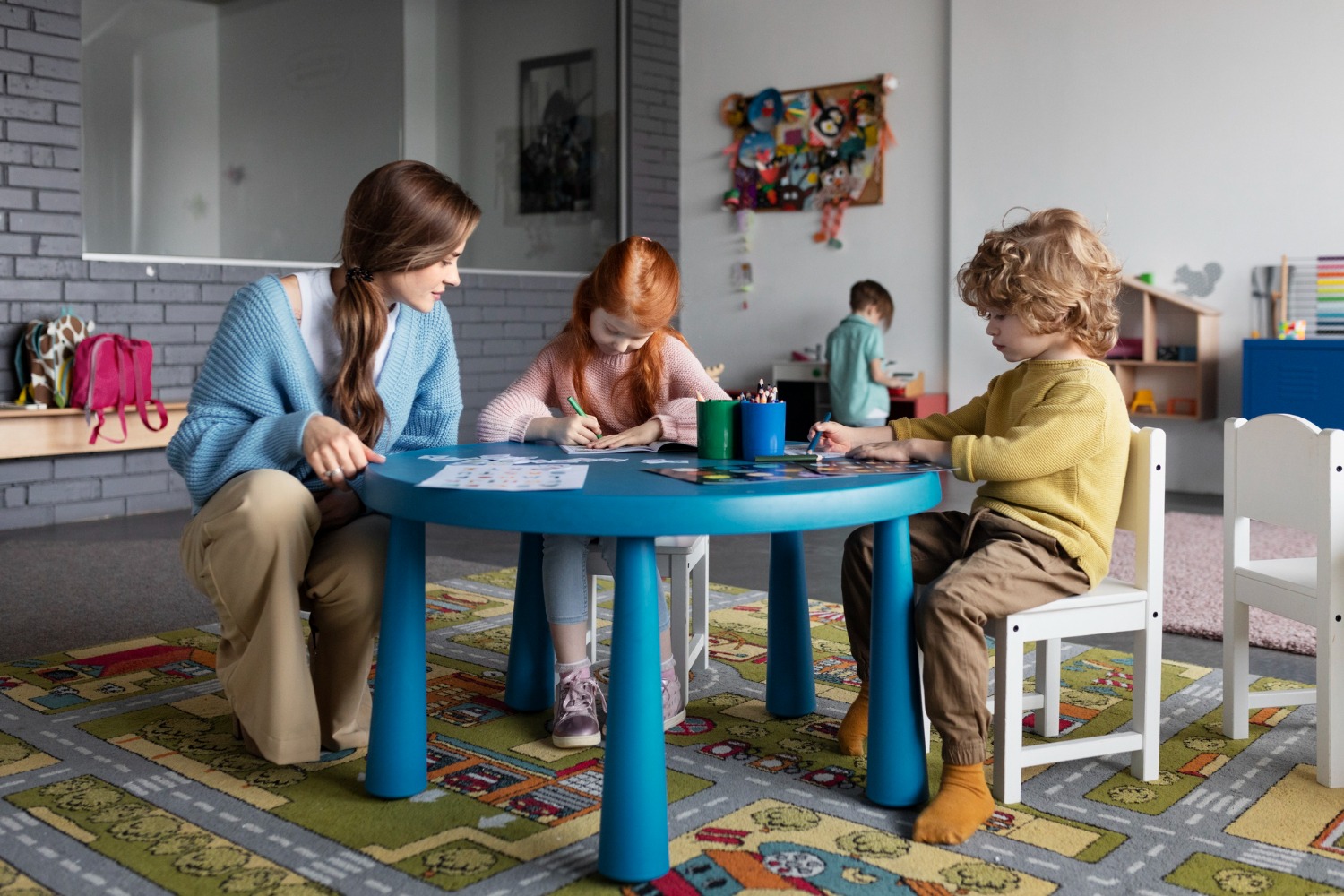
Teachers spend a significant part of the day with children, which makes schools an important part of building inclusive communities for autism. Simple adjustments — quiet spaces for sensory breaks, clear and predictable routines, and patience with communication differences — can make a real difference in how comfortable and confident a child feels in the classroom. When teachers are given basic awareness training, they are better equipped to recognize a child’s needs rather than misreading them as behavioral problems.
4. How Communities Can Show Support
Beyond schools, the wider community plays a role too. Neighbours, shopkeepers, extended family, and local groups all shape the environment a child grows up in. Small actions matter: not staring or judging when a child reacts differently in a public space, being patient during a meltdown, or simply asking a parent how to help rather than assuming. Over time, these small acts of understanding add up to communities that feel genuinely safe and welcoming for autistic children and their families.
5.Parents and Teachers Should Work Together
Strong support systems are created when parents, teachers, and therapists work together. Positive reinforcement should be given regularly so children feel motivated and comfortable. Moreover, emotional support helps children manage daily challenges more effectively.
6.Inclusive Communities Create Better Futures
Autistic children should be included in social activities, education, and community events. Kindness and awareness must be encouraged in society. Consequently, children can develop better social confidence and communication skills.
7. Building a Future of Acceptance
Creating inclusive communities for autism isn’t a single action — it’s an ongoing effort that involves families, schools, healthcare providers, and society as a whole. As awareness grows, so does the opportunity for autistic children to be seen for their strengths rather than defined by their differences. With consistent support and understanding, children with autism can grow into confident individuals who feel they belong.
8. What Parents Can Do at Home
Support doesn’t only happen at school or in public — daily routines at home play a major role in helping an autistic child feel secure. Predictable schedules, calm transitions between activities, and clear, simple communication all help reduce anxiety and build confidence. Celebrating small wins, rather than focusing only on challenges, helps children develop a positive sense of self. Parents don’t need to get everything right — consistency and patience matter more than perfection, and small, steady efforts add up over time.
Every step toward inclusion — however small — makes a real difference in a child’s life. Whether it’s a teacher adjusting their approach, a neighbour offering patience instead of judgment, or a parent celebrating small progress, these moments build the foundation for a more understanding society. No single person can create change alone, but together, families, schools, and communities can make inclusion the norm rather than the exception.
At Neuro Revolution International ADHD & Autism Treatment Center, we believe every child deserves to be understood, supported, and included — and we’re here to help families take that journey with confidence